

Andrew Milligan| PA Images via Getty Images
by Miriah Stacy
At the 2026 Winter Olympics in Milan-Cortina, images of broken gold medals circulated rapidly after several athletes revealed their medals detached from their ribbons during post-ceremony celebrations. Officials confirmed the issue stemmed from an overly sensitive breakaway clasp designed for athlete safety, promising swift repairs and replacements. But for the athletes themselves, the moment sparked a deeper conversation—one that goes far beyond metal and mechanics.
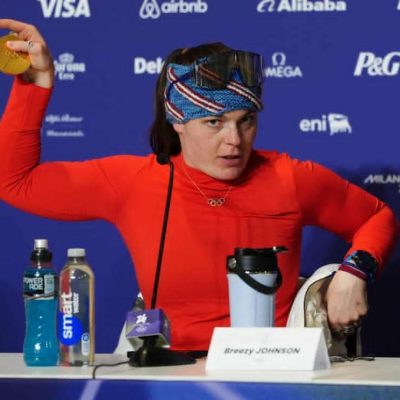
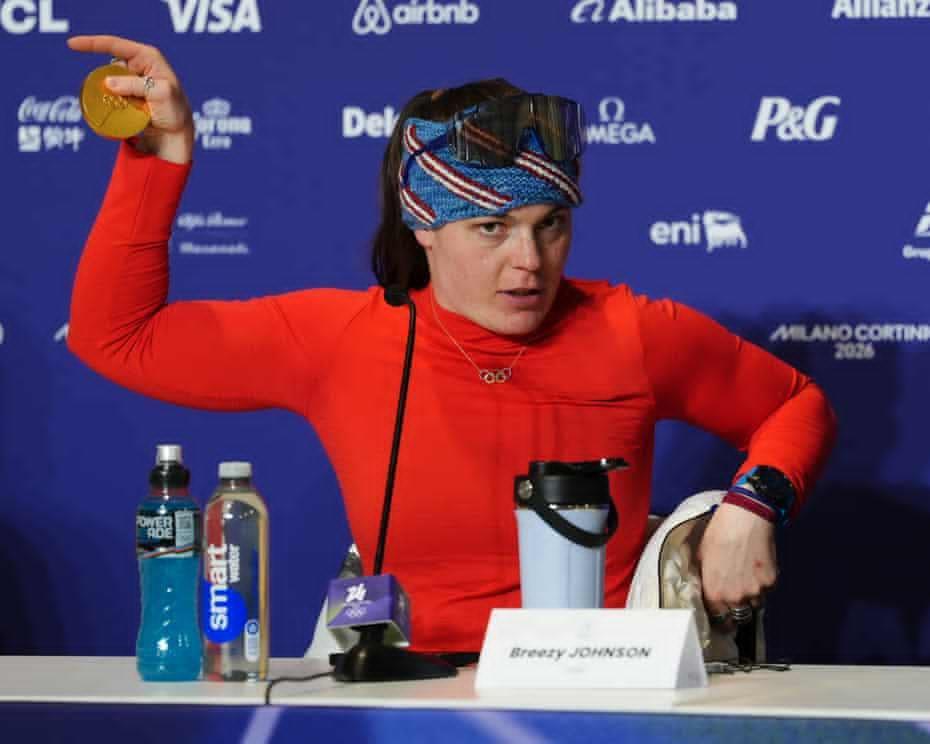
After winning the women’s downhill, American skier Breezy Johnson discovered her gold medal had broken into multiple pieces just minutes after the ceremony. Meanwhile, U.S. figure skater Alysa Liu shared a video of her team event gold medal dangling free from its ribbon, writing simply, “My medal don’t need the ribbon.” The comment was lighthearted, but powerful—a quiet reminder that the meaning of victory doesn’t hang on a chain.
Some people spend their entire lives chasing a medal. Not because of its material value, but because of what it represents: validation, proof, and success. For many athletes, a medal symbolizes qualification, arrival, and worth. Yet real winners understand that the value of a medal does not begin when it’s placed around their neck—it begins long before.
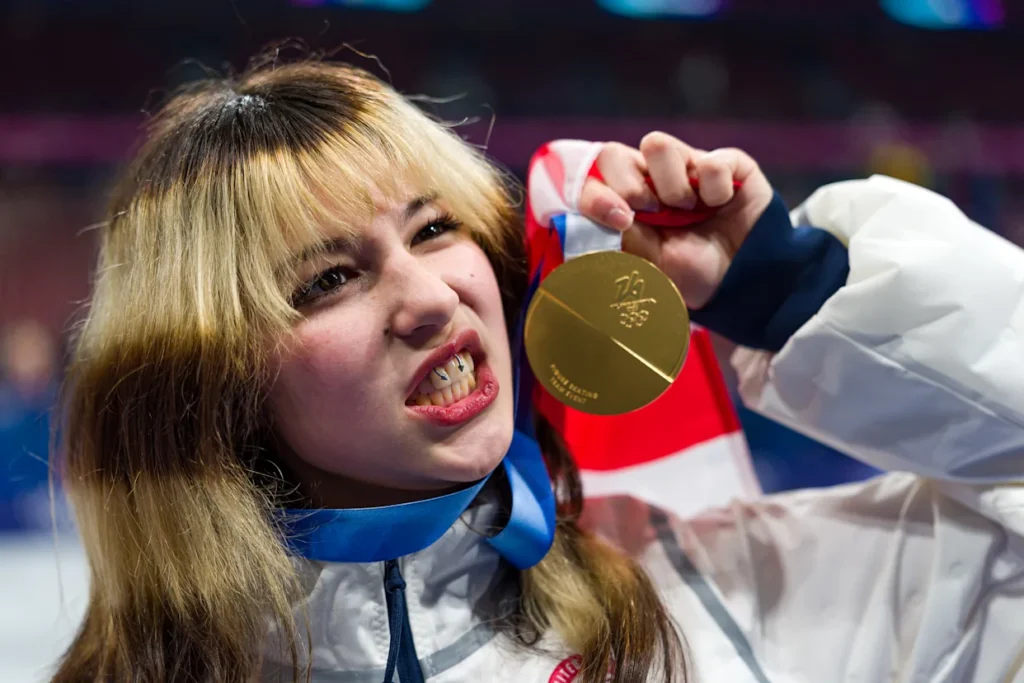
Figure skater Alysa Liu of Team USA.(Andy Cheung/Getty Images)
The value starts the first day they committed to the skill. It grows with early mornings, sore bodies, and the discipline to stay focused while others enjoyed freedoms they couldn’t afford. It’s built in the waiting, in the work, in choosing responsibility over comfort—again and again.
The value of the medal is found in blood, sweat, and tears.
It’s in the moments when people counted them out, questioned their potential, or suggested they’d already done enough. When quitting seemed reasonable. When settling felt easier. But they didn’t stop. They kept pushing, chasing Olympic gold not just as an award, but as a promise to themselves.
Andrea Francisi, chief games operations officer for the Milan-Cortina organizing committee, acknowledged the issue, stating, “We are aware of the situation. We have seen the images. Obviously we are trying to understand in detail if there is a problem.” The logistical problem will be fixed—but the legacy behind these wins doesn’t need repair.
Together, the Winter Games have showcased powerful performances and growing momentum across the global stage, with Team USA making its mark in events such as Alpine skiing and figure skating, while other nations continue to shine in team and technical disciplines. That momentum will carry directly into the Milano Cortina 2026 Paralympic Winter Games, set to take place from March 6 to March 15, 2026, across Italy. Featuring six major winter para sports, the Paralympic Games are expected to be a defining cultural and sporting moment, building on the energy of the Winter Olympics while celebrating elite athleticism, resilience, and inclusion on an international stage.
There’s a very real loss of morale that can come from seeing a broken Olympic medal—especially after everything it represents.But that disruption also forces a reckoning. A broken medal quietly asks an uncomfortable question: If this can break, then what exactly is success made of? And for athletes, that’s where the deeper meaning has to emerge. The truth is, the medal was never the achievement—it was the receipt.In a strange way, a broken medal can become more honest than a perfect one. It reflects the reality of sport and life—nothing meaningful comes without wear, pressure, and vulnerability.A perfectly pieced together medal doesn’t determine success..neither does a broken one.
Medals breaking during the 2026 Olympics are just a reinforcement for the athletes to know the reason behind what they do. The medal isn’t an end or a beginning to them becoming. A medal is just a physical reminder of the courage, perseverance, and strength they already have.
So does a medal define a winner?
These Olympians already know the answer. A clasp breaking doesn’t diminish years of dedication. A ribbon falling away doesn’t erase discipline, resilience, or faith in oneself. Their victories were secured long before the podium—long before the anthem, the cameras, or the gold plating.
The medal may symbolize the moment, but the win lives within the athlete.
Real winners are not defined by what they hold, but by what they endured to get there. And unlike metal or sometimes gold in this case, that kind of victory doesn’t break under pressure.