

by Miriah Stacy
The recent financial scrutiny surrounding the Essence Festival of Culture is not just about one large event facing payment delays. It highlights something essential for anyone building an event-based business: credibility and infrastructure matter just as much as cultural relevance and brand power.
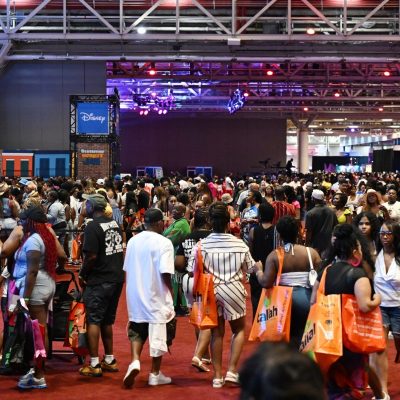
Public reporting shows that following the July 4–6, 2025 festival in New Orleans, there were outstanding balances tied to production and venue costs. Records indicate that the Ernest N. Morial Convention Center was owed approximately $456,000, and after a partial payment of $50,000, roughly $406,000 remained unpaid months later.
Additional reports suggest that a local production company claims it is owed more than $1 million for services related to the event, though organizers have disputed portions of that figure. These financial concerns have entered conversations among Louisiana lawmakers as they consider public funding and support for future festivals.
Getty Images
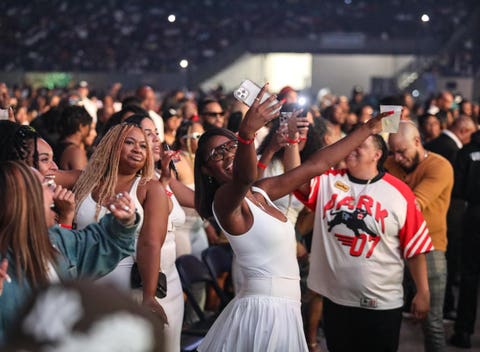
There is no denying the cultural weight of Essence. The festival generates significant tourism, uplifts artists, and holds historic importance within Black media and culture. But legacy alone does not guarantee operational excellence. A powerful brand can fill arenas and dominate headlines, yet still struggle behind the scenes if its internal systems — financial oversight, vendor management, payment scheduling, and communication — are not tightly structured.
At the same time, the broader context cannot be ignored.
Black curators, promoters, and cultural architects often operate within systems that are historically underfunded and structurally inequitable. Data across industries consistently shows that Black-owned businesses receive a disproportionately small share of institutional capital.
National venture capital reports indicate that Black founders have historically received roughly 1–2% of total U.S. venture capital funding in recent years, despite representing a significantly larger share of the population. Traditional bank lending data similarly reflects approval gaps and smaller average loan sizes for Black entrepreneurs compared to their white counterparts.
In the live events and entertainment space, this disparity appears in more subtle but equally impactful ways: smaller sponsorship budgets, delayed brand commitments, stricter insurance requirements, less favorable venue terms, and reduced access to lines of credit that help absorb large upfront production costs. Many Black-led festivals operate on thinner margins, relying heavily on ticket sales and short-term sponsorship cycles rather than long-term capital reserves.
That reality does not excuse financial mismanagement. Accountability remains non-negotiable. Vendors, production crews, and venues depend on timely payments. Unpaid balances are not abstract numbers; they represent payroll, equipment investments, and the sustainability of small businesses — many of which are also Black-owned.
Structural inequity is not theoretical either. It shapes how risk is absorbed, how cash flow is managed, and how resilient an organization can be during financial turbulence. When large-scale Black cultural institutions experience strain, the conversation cannot stop at surface-level criticism. We must also examine access to capital, distribution of public incentives, sponsorship equity, and whether Black-curated cultural events receive the same structural backing as similarly scaled mainstream events.
Two truths can coexist.
Black curators face disproportionate structural barriers to funding and capital.
And business obligations must still be honored with discipline and transparency.
Getty Images
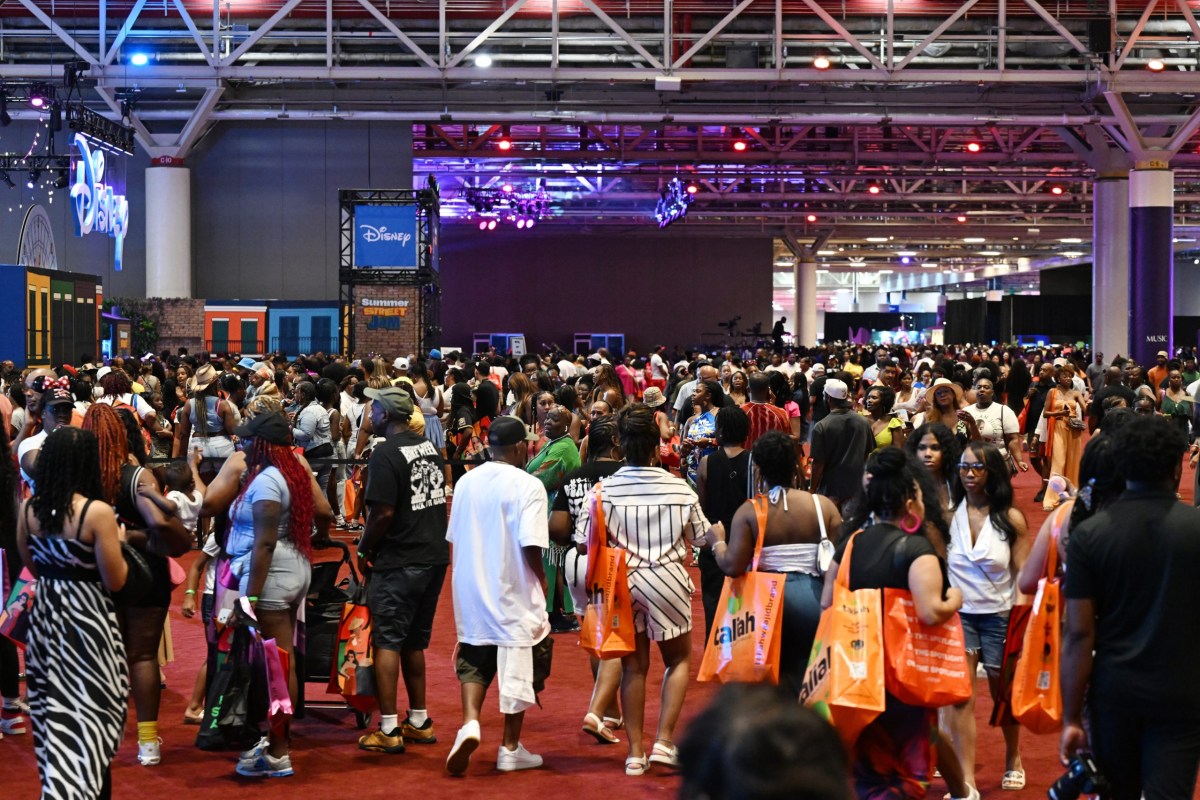
This moment underscores something every independent curator must understand: growth and stability are not the same thing. Scaling an event does not automatically mean the infrastructure behind it is secure. Expansion without disciplined backend systems creates vulnerability. If your financial foundation is not solid, the weight of your own success can expose the cracks.
Leadership in this space means prioritizing obligations. Honoring contracts. Paying outstanding fees. Maintaining transparency with partners. It also means advocating for equitable funding, pushing for institutional support, and demanding that Black-led cultural institutions receive the same financial consideration as others of similar scale.
Cultural institutions deserve respect for their impact. The people who build them deserve equity. And the professionals who service them deserve payment.
If we truly want to see Black-curated events thrive sustainably at scale, we must strengthen both sides of the equation — equitable access to capital and uncompromising operational discipline.
Because sustainability isn’t just about legacy.
It’s about structure.