

by Miriah Stacy
After more than a decade of partnership, Stephen Curry and Under Armour officially split in November 2025, ending one of the most defining athlete-brand collaborations in modern basketball history. What began in 2013 as a bold endorsement deal evolved into something much larger — the launch of Curry Brand, a sub-label that positioned Curry not just as a sponsored athlete, but as a cornerstone of Under Armour’s basketball identity.
Two years prior to the split, Curry had reportedly signed what was described as a “lifetime” partnership extension. That language made the separation even more surprising to fans. While public statements suggested the split was amicable, subtle shifts in branding and digital presence quickly sparked speculation online.
One of the biggest talking points?
Social media.
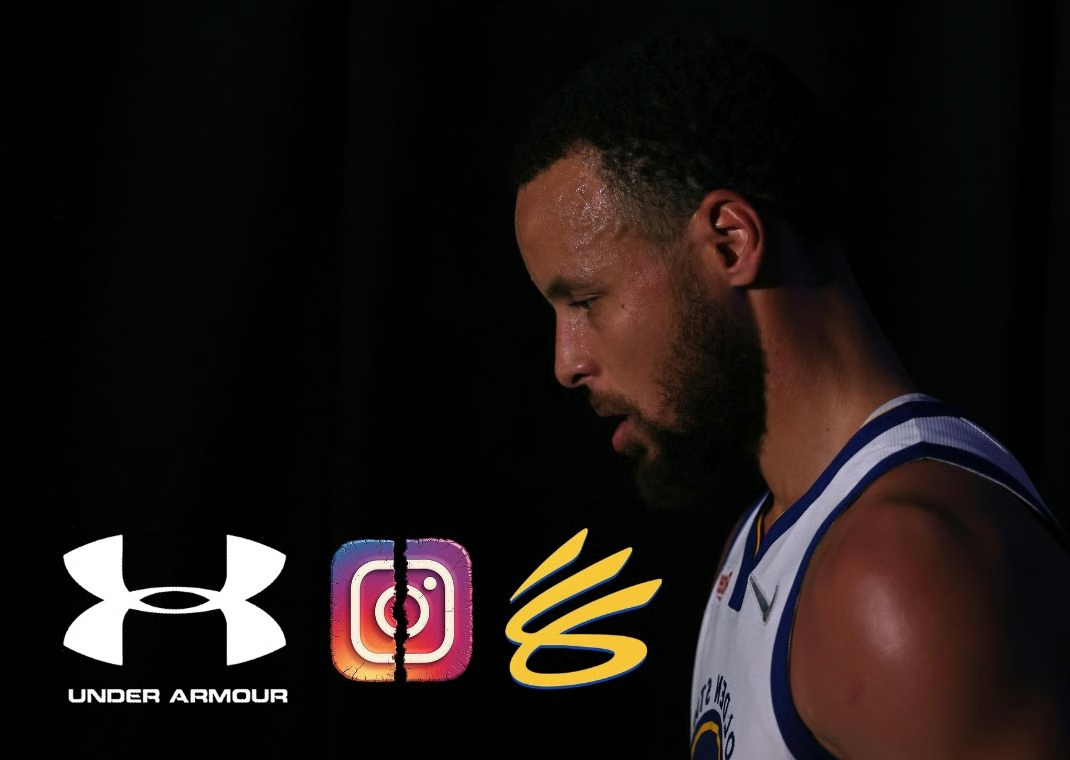
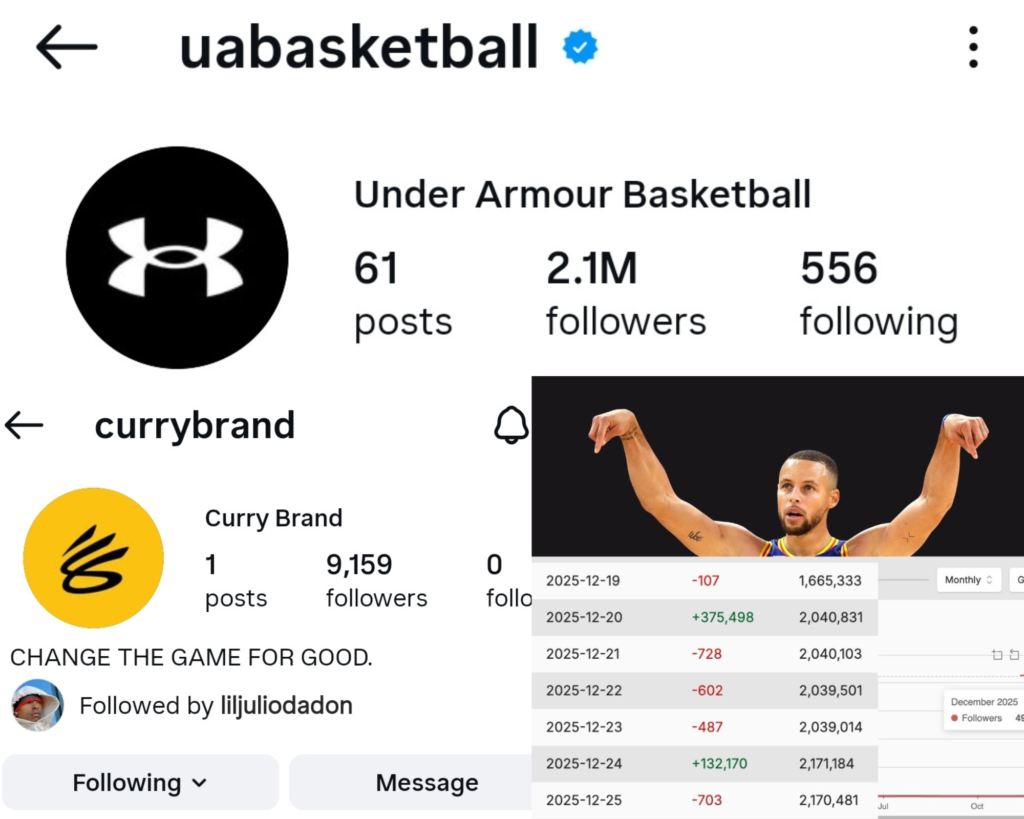
At its height, Curry Brand’s Instagram presence had amassed roughly half a million followers. In the months following the split, observers noticed that the digital footprint appeared to shift — with followers and brand positioning aligning back under Under Armour’s primary corporate structure. To fans, it looked like a takeover. To business insiders, it likely came down to contract language. major endorsement deals, social media accounts built under a company’s infrastructure are often considered corporate assets.
If Under Armour funded, registered, and managed the Curry Brand accounts internally, the company may have retained legal ownership of those digital platforms — including the follower base. In today’s marketing ecosystem, followers aren’t just numbers. They are leverage. They are sales funnels. They are equity.
Still, perception matters.
Online, some fans jokingly compared the split to a “brand divorce.” The comparison stuck because the transition wasn’t quiet — it was noticeable. Branding adjustments. Social media restructuring. And perhaps most symbolically, Curry’s reported refusal to wear his final signature model, the Curry 13, following the split.
Signature shoes are statements. When an athlete chooses not to lace up his latest release, it sends a message — whether intentional or simply reflective of changed obligations.
Since the separation, Curry has been seen wearing a variety of other major basketball brands, including Nike, Adidas, Li-Ning, Puma, and Anta. Notably absent from his recent rotations is Under Armour — a visible shift after years of exclusivity.
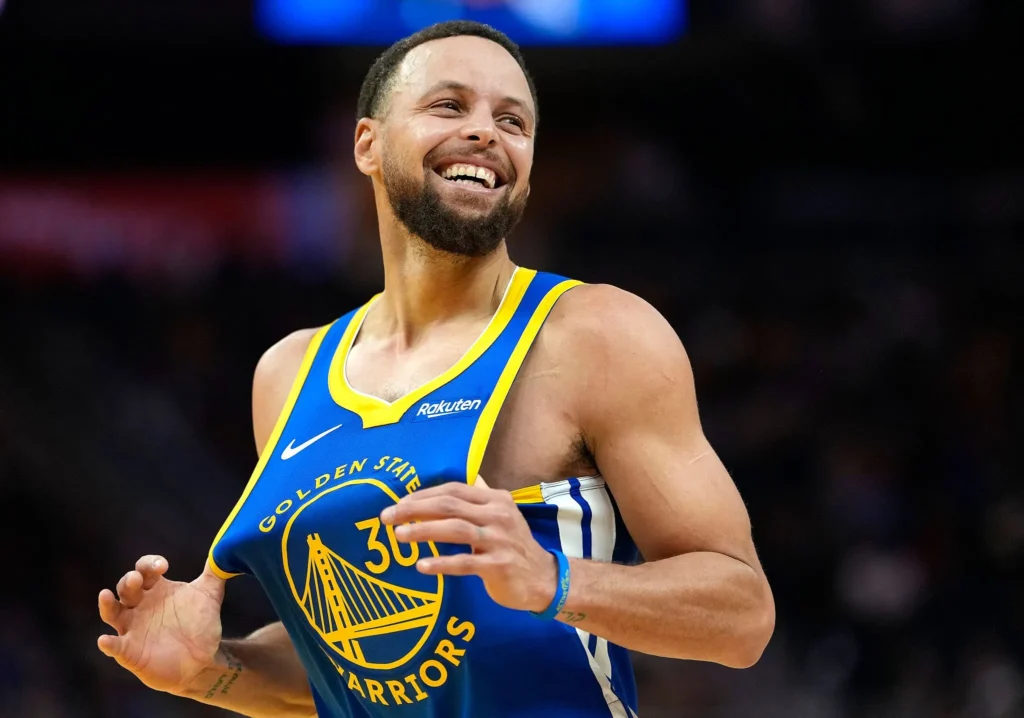
Thearon W. Henderson/Getty Images
Rather than issuing public statements or engaging in narrative back-and-forth, Curry has remained largely silent. And sometimes, silence paired with action speaks louder than commentary. But beyond sneakers and social media, this situation highlights a broader lesson in branding and business relationships.
When long-term partnerships end, what belongs to whom? Is it the trademark? The digital audience? The equity built over years of collaboration? Corporate agreements often define ownership clearly on paper. But emotionally and culturally, the lines can feel blurred.
For creatives, entrepreneurs, and athletes alike, the Curry–Under Armour split underscores a modern reality: digital presence is power. And when partnerships dissolve, control of that presence can become just as significant as the product itself.
At the highest levels of business, it’s rarely personal — but it is strategic.
And sometimes the clearest pivot isn’t a press conference.
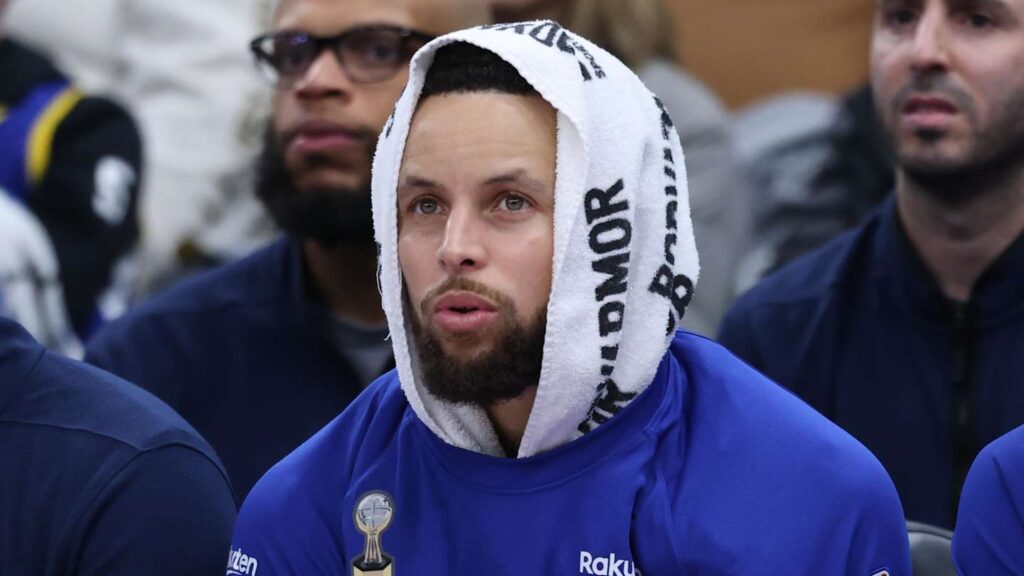
Rob Gray-Imagn Images