

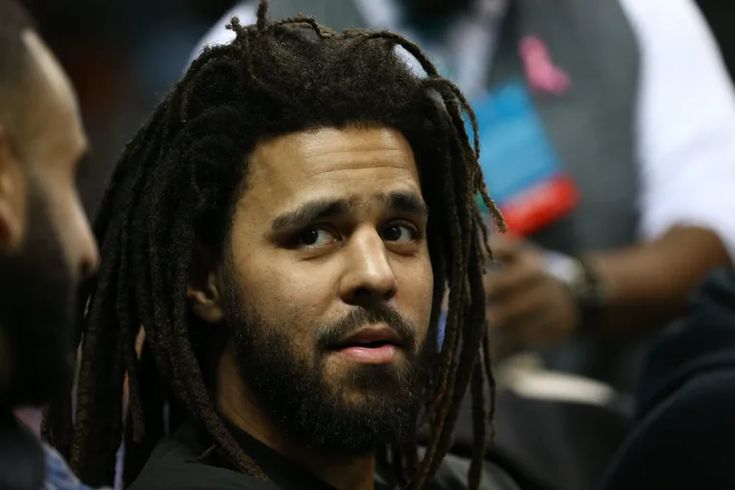
By Miriah Stacy
While 280,000 units is an impressive first-week number, the real story goes deeper than charts. What stood out wasn’t just the sales — it was the visible hustle behind them. Fans were outside actively purchasing and supporting. There was intention behind the rollout. There was groundwork. There was engagement. And that matters.
In today’s creative economy, it’s common to hear artists and entrepreneurs say:
“Nobody supports me.”
“Nobody sees my business.”
“The algorithm is against me.”
But here’s the uncomfortable truth — visibility follows effort.
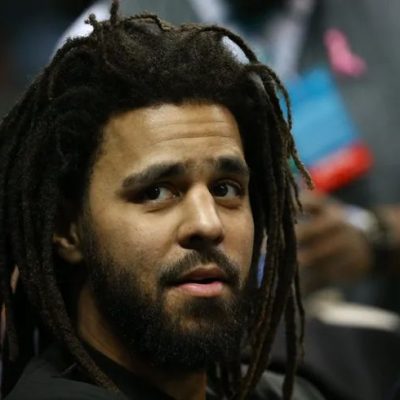
J. Cole didn’t sit back and assume his name alone would carry the release. Despite being one of hip-hop’s most respected figures, he continues to move strategically, connect with his audience, and treat every project like it still requires work.
And that’s the lesson.
That’s humility.
That’s ownership.
That’s business.
That’s how you win.
For entrepreneurs, creatives, and independent builders, this is a blueprint:
• Don’t rely solely on talent.
• Don’t assume people will “just show up.”
• Don’t confuse potential with execution.
Support is cultivated.
Momentum is built.
Attention is earned.
The difference between those who complain about being unseen and those who grow is often one thing — consistent effort. If artists at the top are still promoting like they’re hungry, what excuse do the rest of us have?
J. Cole’s 280K isn’t just a sales figure. It’s a reminder that hustle doesn’t expire when success begins.
And for business owners watching?
The grind is part of the brand. After stepping back from the highly publicized rap tension involving Drake and Kendrick Lamar, this marks J. Cole’s first official project since the moment that had fans watching closely and anticipating his next move. Rather than fueling controversy, Cole redirected the narrative back to the music — and did it on his own terms.
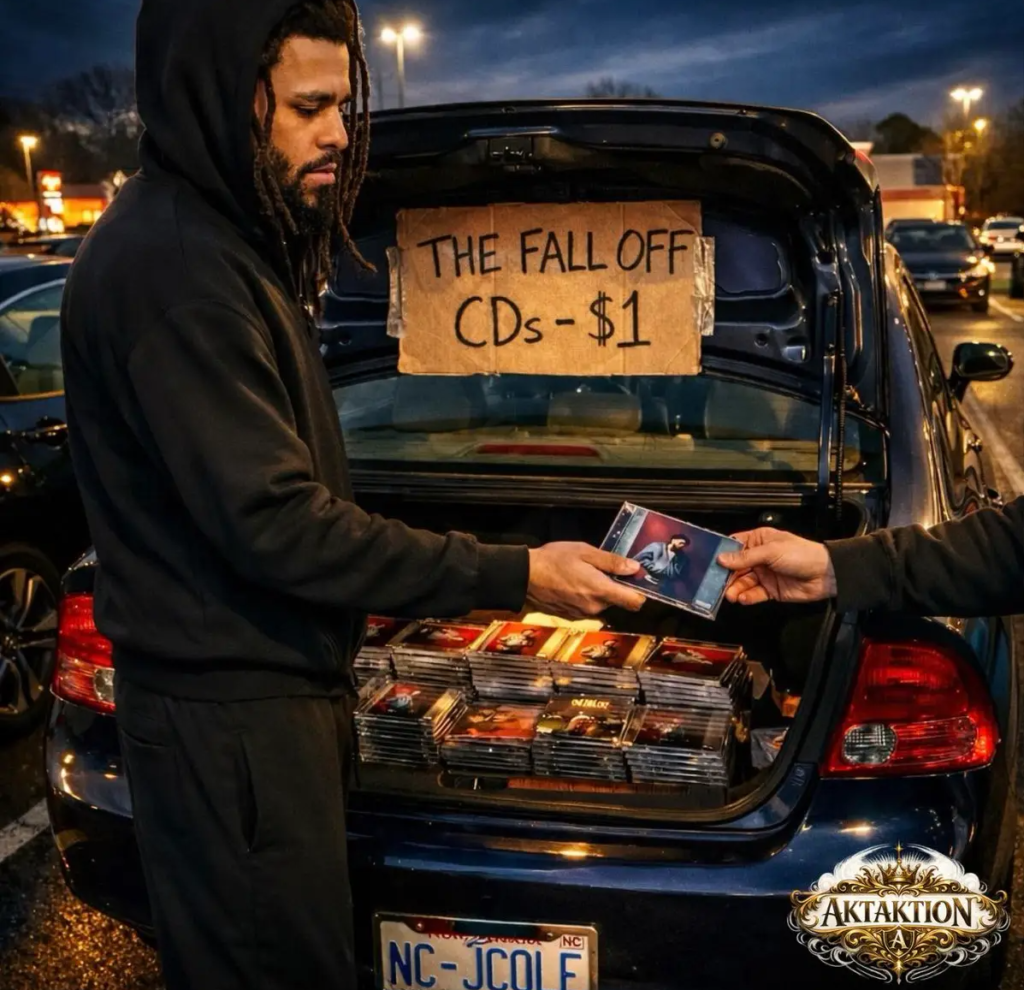
In true Cole fashion, he chose an unconventional, nostalgic rollout by selling physical copies of the album directly out of the trunk of his old Honda Civic — the very car he reportedly restored with a new engine just to drive again for the release. The move felt symbolic: reminding supporters of the hunger and humility that built his career. Adding to the momentum, he recently announced his upcoming tour, further energizing fans eager to experience the project live. With this release, Cole also secures his seventh No. 1 album on the Billboard charts — a milestone that reinforces his consistency, longevity, and quiet dominance in the industry.
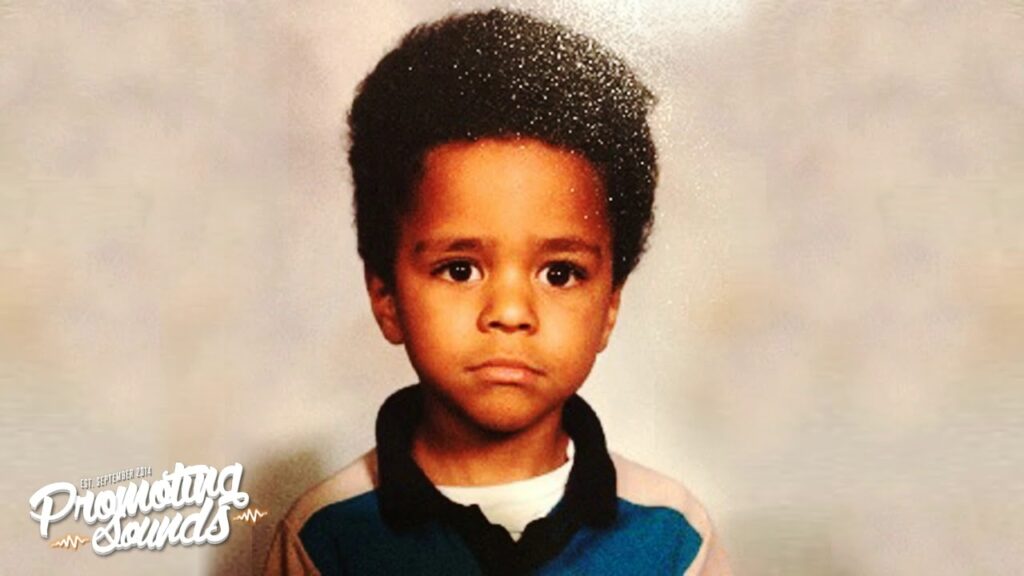
Before the accolades and platinum plaques, J. Cole’s journey was rooted in instability and quiet determination. Raised by a single mother in North Carolina after his father left, he experienced financial hardship early on. There were moments when money was tight and comfort wasn’t guaranteed — and that reality shaped his perspective long before it shaped his lyrics. Instead of allowing those circumstances to define him, he turned them into motivation. His music often reflects that hunger — not just for fame, but for escape, growth, and something greater than what he saw around him.
Even after earning a college degree and eventually securing a record deal, success didn’t arrive overnight. He had to navigate industry expectations, creative pressure, and the temptation to conform to what was commercially safe. At one point, he openly admitted feeling pushed to chase radio hits rather than fully trusting his storytelling instincts. Instead of folding under that pressure, he recalibrated. By betting on authenticity and leaning into personal narratives, he proved that vulnerability could coexist with mainstream success. His evolution wasn’t just about chart numbers — it was about artistic confidence, self-awareness, and choosing longevity over quick validation.
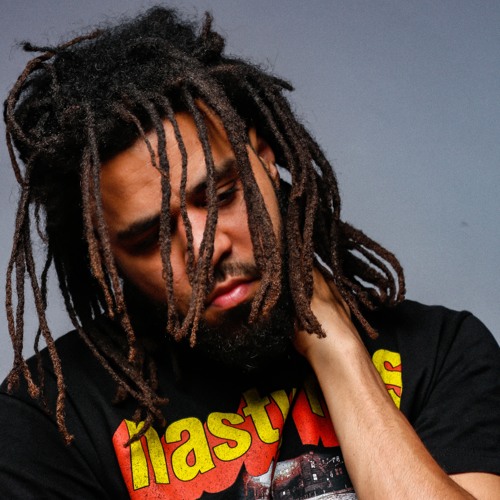
In today’s music culture, success is often reduced to numbers — streams, plaques, viral moments. But what gets lost in that conversation is the years of unseen labor behind those milestones. Artists like J. Cole represent a different era of grind. He didn’t arrive through overnight virality or algorithm luck. His rise was steady, intentional, and built on craft. That’s what makes him feel like an OG in this generation — not just because of time served, but because of the foundation he laid brick by brick.
There’s a misconception in the industry that once someone reaches a certain level, the story becomes about trophies instead of tenacity. But medals don’t show the doubt. Platinum records don’t show the late nights. Accolades don’t reveal the discipline it takes to keep evolving while the culture constantly shifts. What makes his journey powerful is that he has never separated the reward from the work. He has embraced the long road — refining his pen, staying grounded, and resisting shortcuts.
For emerging artists watching from the sidelines, that lesson matters. The spotlight only highlights the finish line; it rarely honors the marathon. His career reminds upcoming creatives that longevity isn’t built on hype — it’s built on commitment. And in an era obsessed with instant visibility, that kind of consistency is revolutionary.